LinkedIn has become the platform for modern B2B SaaS lead generation. With unmatched targeting and a professional audience, it offers the precision and scale that software companies need, but only when approached with the right LinkedIn ads strategy.
Too many marketers jump in without a clear roadmap, relying solely on trial and error. But in 2025, successful SaaS brands know the real key is a blend of strategic planning and smart experimentation. Structure drives predictability. Testing uncovers hidden wins.
In this guide, we’ll break down proven ad strategies LinkedIn marketers are using to consistently drive demo bookings, generate pipeline, and grow revenue, while leaving room for creative testing along the way.
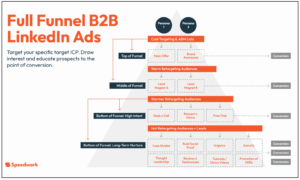
Strategy #1: Full-Funnel Campaign Structure
Running one-off campaigns might generate clicks, but they rarely build pipeline. Instead, the most effective B2B SaaS advertisers on LinkedIn use full-funnel campaign architecture designed to mirror their sales journey:
- Top of Funnel (Awareness): Video ads, thought leader ads, and brand-focused messaging
- Middle of Funnel (Consideration): Whitepapers, case studies, product explainers
- Bottom of Funnel (Conversion): Lead gen forms for demo CTAs, retargeted ads with urgency or incentives, conversation ads
Aligning your LinkedIn ad strategy to buyer intent at each stage builds trust and accelerates conversions.
Strategy #2: Incentivized Demos with Conversation Ads
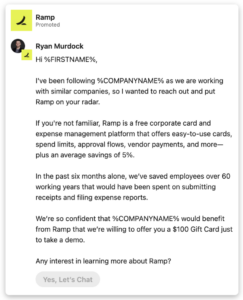
Conversation Ads are an excellent prospecting tactic on LinkedIn and are great at promoting or inviting members into lower funnel offers. A particularly effective and popular tactic lately is incentivizing members to take a demo. The most effective incentives are typically Amazon gift cards or Apple AirPods.
When used, these are best focused on a high value target account list where your sales team has a high close rate and just wants more at bats. Be very targeted here and cherry pick just the best job titles to reach.
When done right, these can be one of the most effective tactics to book meetings. Yes, some people show up just wanting the gift card, so only use on segments where you have a high close rate.
Personalization is key—mention industry, pain points, or use cases. Keep tone helpful, not pushy.
 Strategy #3: Retargeting Based on Engagement
Most SaaS buyers don’t convert on first touch, and that’s expected. Smart LinkedIn ads strategy includes segmented retargeting based on actual engagement behaviors.
Segment your audiences by:
- 50–75% of video viewers
- Website visits to pricing/demo pages
- Lead form openers who didn’t submit
Serve them personalized CTAs like:
- “See how we compare to [competitor]”
- “Start a free trial.”
- “Watch a 5-minute walkthrough.”
Strategy #4: Thought Leader Ads for Trust Building
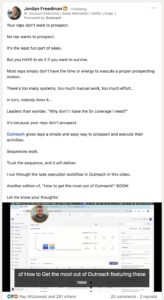
People always engage with people, more than companies, and in B2B SaaS, trust is currency. That’s why some of the best LinkedIn ads B2B companies run aren’t promotional; they’re thought leadership. Leveraging LinkedIn’s new Thought Leader ads.
Use paid promotion to amplify:
- Founder videos with industry insight
- Subject matter experts sharing a key demo of the product that will interest others
- Posts that share authentic case studies and strategies
- Analyst-backed takes on emerging trends
These campaigns don’t always drive form fills, but they increase demo readiness, shorten sales cycles, and boost brand recall.
Strategy #5: High-Value Lead Magnets with Native Forms
Native LinkedIn Lead Gen Forms convert significantly better than landing pages—especially when paired with offers your audience actually wants.
Best-performing lead magnets include:
- Playbooks and frameworks
- ROI calculators or tools
- Event invitations and gated webinars
- Industry benchmarks or analyst reports
Micro-strategy tip: Keep forms short (3–4 fields), include a value-focused headline, and use auto-fill options wherever possible to increase completion rates.
Strategy #6: Budget Allocation Based on Funnel ROI
Brand and demand are always at odds. LinkedIn and the B2B Institute’s data advocates for “60% Brand and 40% demand” balance, but your funnel may be different.
Allocate your budget based on your audience and offer.
Some companies have a compelling free trial that is in high demand. Usually this is for new cutting edge products and services. When that’s the case, go right for the conversion and drive your ads to the free trial offer as long as it’s converting well.
But for most companies and audiences, those people aren’t ready to signup for a trial or demo just yet, and require some awareness building, familiarity, and convincing to get them to the next stage.
This is when you need to start breaking your funnel down into stages. Aim your TOFU campaigns are net new cold audiences. MOFU retargets warm audiences who have shown some interest or engagement. And then BOFU delivers the offer CTA to the warmest audience who’s most likely to be interested.
Here’s a sample budget allocation breakdown:
For early-stage SaaS startups:
- 80% Top-Funnel (Brand + Thought Leadership)
- 10% Mid-Funnel (Lead Gen + Nurture)
- 10% Bottom-Funnel (Retargeting, Demo CTAs)
For mature scaling SaaS orgs:
- 60% Top-Funnel
- 25% Mid-Funnel
- 15% Bottom-Funnel/ABM
Flex your spend monthly based on conversion rates, not just cost per lead.

Learn more here about the most effective ad formats for SaaS.
Final Thoughts
In 2025, high-performing LinkedIn ad strategies combine structured funnel planning with enough flexibility to test what works.
Start with strategy – define your audiences, match messaging to funnel stages, and measure the right outcomes. But also embrace experimentation. When budgets allow, testing different creatives, formats, and CTAs is how the best-performing SaaS marketers stay ahead.
The most effective ad strategies LinkedIn B2B marketers use today aren’t static. They evolve. They adapt. And they’re grounded in both data and creativity.
Want expert help applying these strategies to your SaaS ad campaigns?
Book a free B2B SaaS LinkedIn strategy consult with Speedwork and get a roadmap built to convert.